4 days / 3 nights
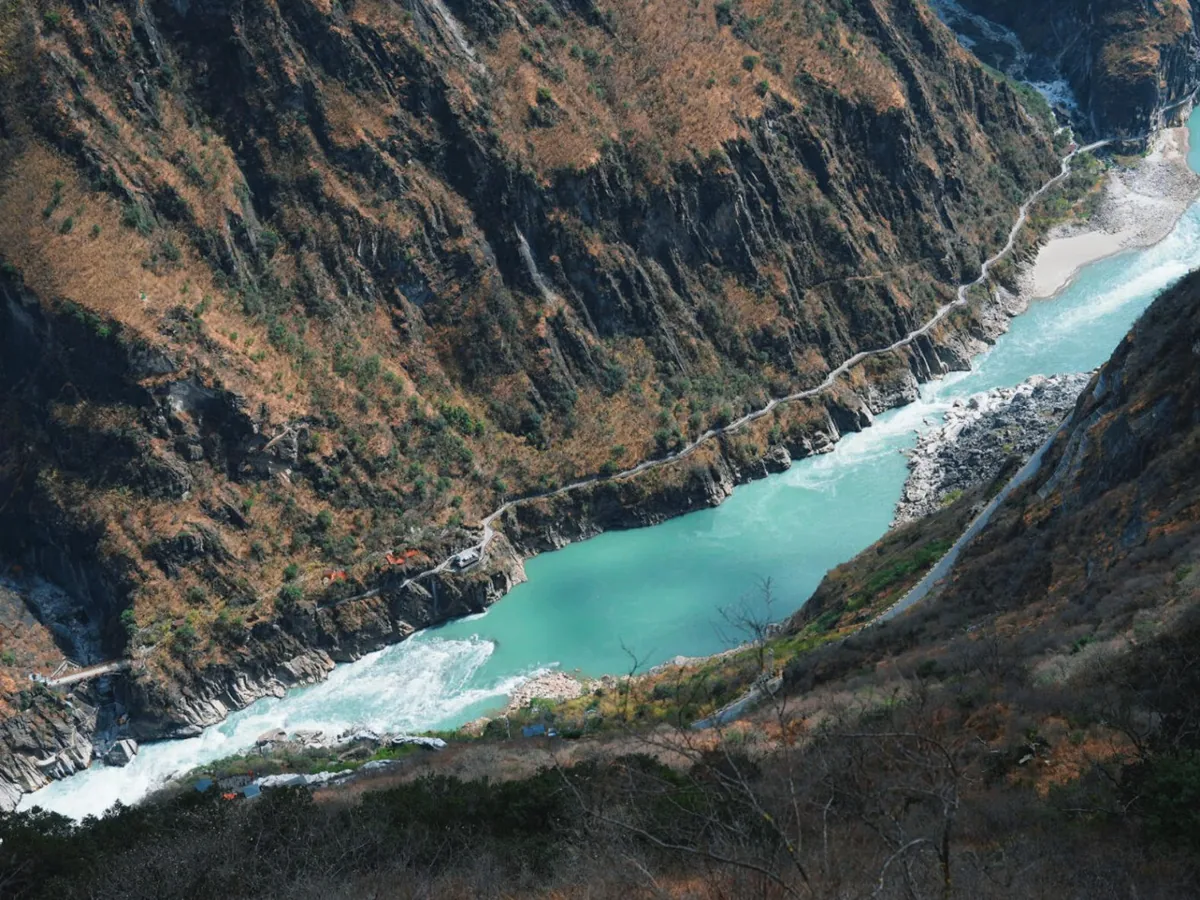
Tiger Leaping Gorge High Trail
The High Trail above the Yangtze, the 28 Bends, and two nights in Naxi villages under Haba Snow Mountain.
From$760per person
View tour→

5 days / 4 nights · Dali → Dali · 2–6 hikers
The route
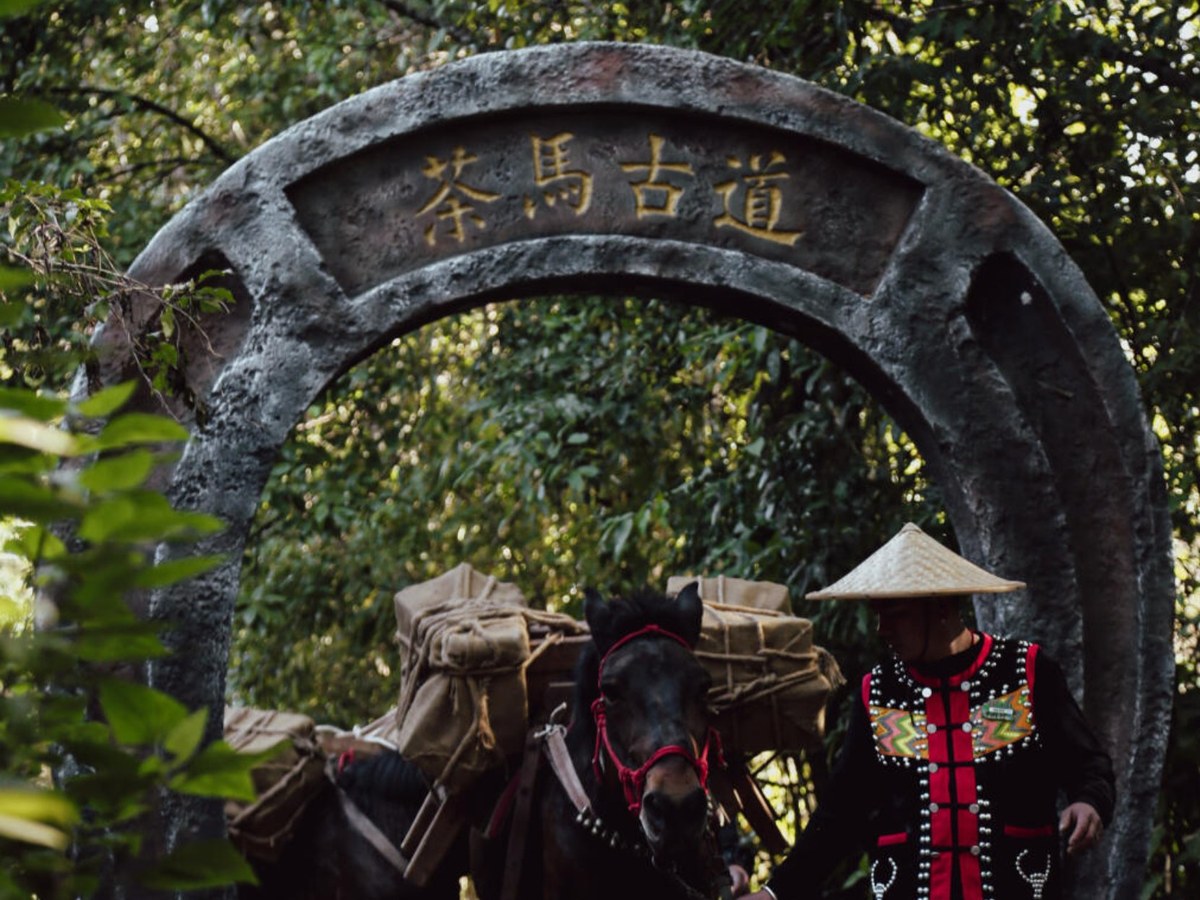
Shaxi is the only surviving market town on the Tea Horse Road, and the stone flagways around it are still there — flagstones hollowed into bowls by centuries of mule traffic. Three days of walking takes in a caravan pass checkpoint, a salt road, and the Tang-dynasty Buddhist carvings at Shibaoshan, with nights in Bai courtyard houses.
Day 1
Meet in Dali Old Town, gear check, and a briefing on the western Yunnan caravan network, the mule-train system, Bai patron-deity belief and the history of Shaxi's Sideng market square. Drive about 3.5 hours. Evening walk through Sideng — the old opera stage, century-old mule inns, Yujin Bridge.
Day 2 · 13 km
The best-preserved stretch of caravan road in the Shaxi area: blue flagstone with thousand-year-old hoof hollows, a stream alongside, old stone arch bridges. Up to Maping Pass — the remains of the old checkpoint gate, with views down into the Heihui River gorge — and a village of hundred-year-old rammed-earth Bai courtyard houses with old walnut trees in the yards. Lunch in a village home. Afternoon: Bai jiama woodblock printing with a local craftsman; you take your own print home.
Day 3 · 14 km
The salt branch of the network — the route the salt mule trains used. Mountain earth paths with surviving flagstone sections, to Shilong, a Bai village with an unusual number of intact century-old courtyards. Visit the village's benzhu temple and a tie-dye workshop, from indigo dye to a piece you bind yourself. Lunch in a village home. Evening: hearth tea session with local elders talking about the salt porters and mule drivers.
Day 4 · 12 km
The cultural high point. The old mule road between Shaxi and Shibaoshan, through red Danxia sandstone, to the Shizhongshan grottoes — Tang-dynasty Buddhist carving from the Nanzhao and Dali kingdoms, a national protected site sometimes called 'the southern Dunhuang'. Look for the carving of a Persian figure — proof of how far the trade reached — and the cliff-hung Baoxiang Temple nearby. Picnic near the grottoes, then the loop back down.
Day 5
Early walk to Yujin Bridge and the old lanes for the morning mist over the Shaxi basin. Drive back to Dali (about 3.5 hours) with a stop at the Eryuan lakeside wetlands. Lunch in Dali, and the trip ends.
Flagstones worn by mules, not made for tourists. The hollows in the stone are hoof marks. You're walking a surface shaped by traffic, not restored for visitors.
Tang-dynasty carving, not a replica. The Shibaoshan grottoes are a national protected site and one of the finest surviving Buddhist carving complexes in southern China. Most visitors never connect it to the road that brought people there.
Courtyard houses, not hotels. Four nights in Bai courtyard guesthouses inside the old town — the single best-preserved caravan market town left on the whole network.
Shaxi sits at about 2,050 m and is walkable year-round. The best months are October–November and March–April. December–February is cold at dawn but clear and almost empty.
Legend: Best = stable trails and the clearest views · Good = runnable with caveats · Not advised = we don't run it, or only on request after checking conditions.
These are our proposed departure dates for this route. Availability changes daily — we confirm your place in writing before you pay anything. See our booking and refund terms.
Taking the whole trek as a family or a group of friends: from 2 people, on dates that suit you, with the itinerary adjusted to your pace. Same guide, same lodgings, no other hikers added. Prices vary with group size — tell us who's coming and when.
Ask about a private departureWe grade every route on a 1–3 scale for how hard the walking is. This trek is grade 2 — Moderate.
EasyWalking days of up to about 12 km on good paths, with gentle or modest climbing. Suits anyone who walks regularly at home.
ModerateConsecutive days of 12–15 km with real climbing — around 500–700 m a day, 5–7 hours on foot. You should be comfortable on your feet most of the day.
ChallengingLong or steep days on mountain trails — up to about 15 km, or 800 m or more of climbing — often back to back. You need a regular exercise habit, not mountaineering experience.
Altitude is listed separately. A gentle day can still reach 4,000 m, so we show it on its own rather than folding it into the grade. On this trek: highest point on foot 2,650 m, highest night 2,050 m. None of our routes involves technical climbing — on some you look up at snow peaks, you don't climb them.
Single-room supplement. Single-room supplement: US$140 per person for the 4 nights in Shaxi.
Joining others or adding people. Yes. Solo hikers and pairs can join a scheduled departure, up to 6 hikers in all, and private departures for your own group run from 2 people. Travelling solo and want a room to yourself? The single-room supplement above applies. It works well as a first trip to China, or combined with the Baisha route.
On this trail
Also worth a look
4 days / 3 nights
The High Trail above the Yangtze, the 28 Bends, and two nights in Naxi villages under Haba Snow Mountain.
4 days / 3 nights
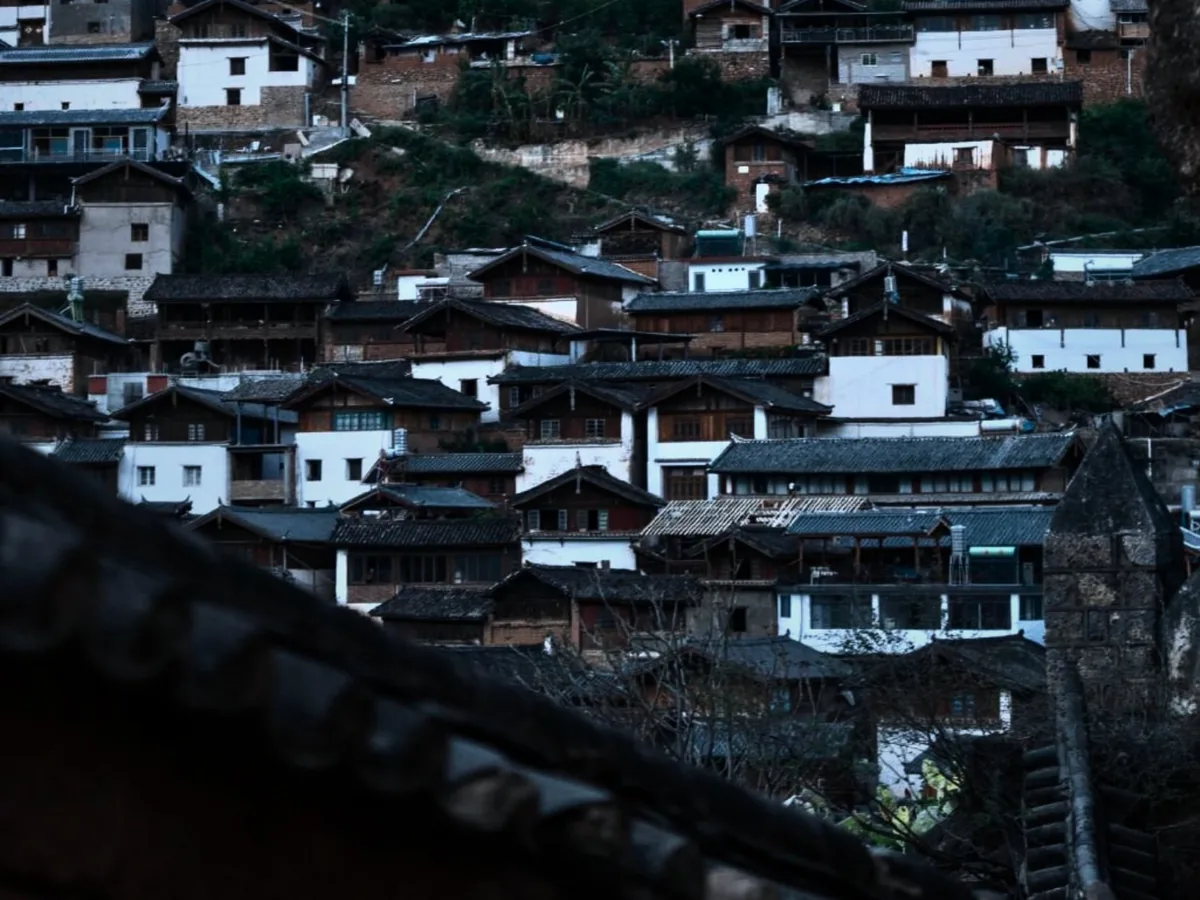
A Naxi village built on a bare rock above the Yangtze, reached through hand-cut tunnels in the cliff.
6 days / 5 nights
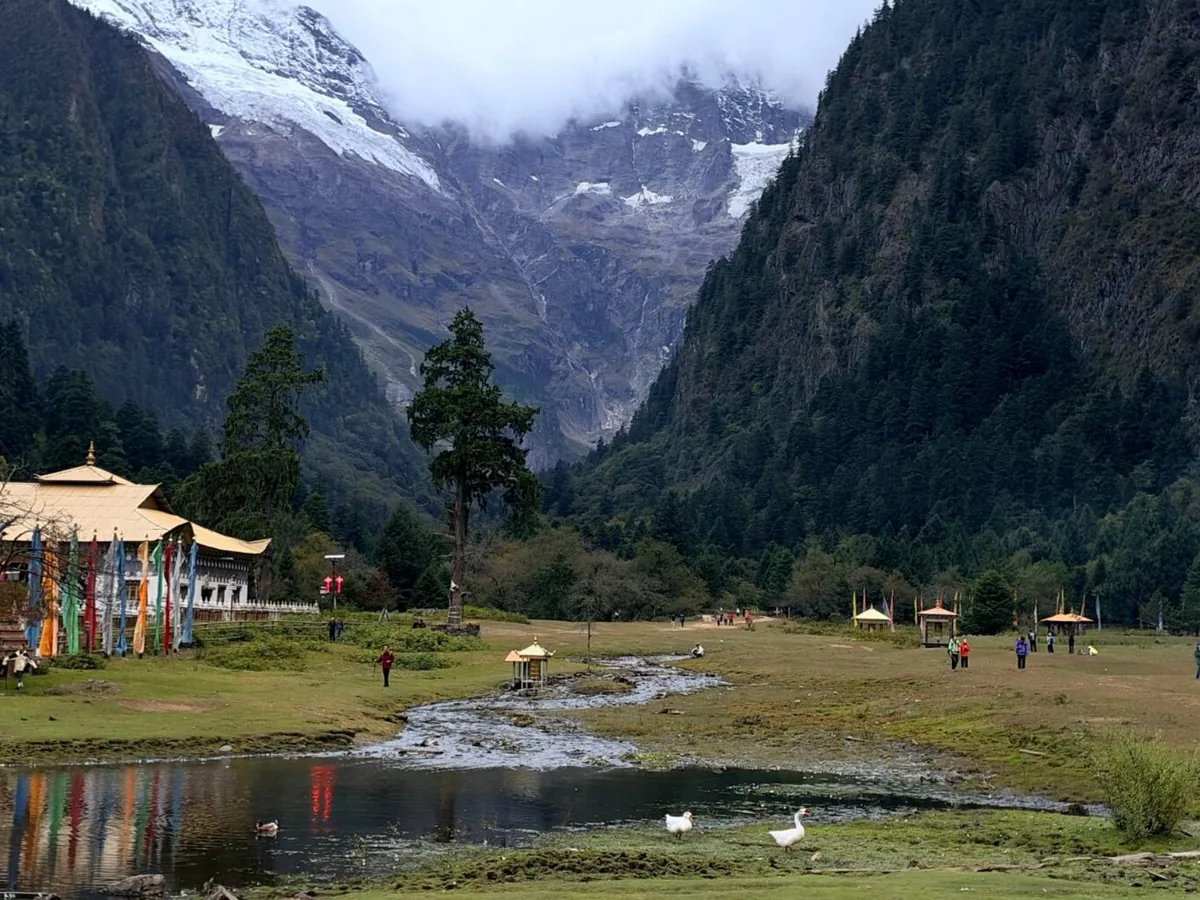
Into the Ninong Gorge and up to a village with no road. Sacred waterfall, glacier lake, sunrise on a 6,000 m wall.