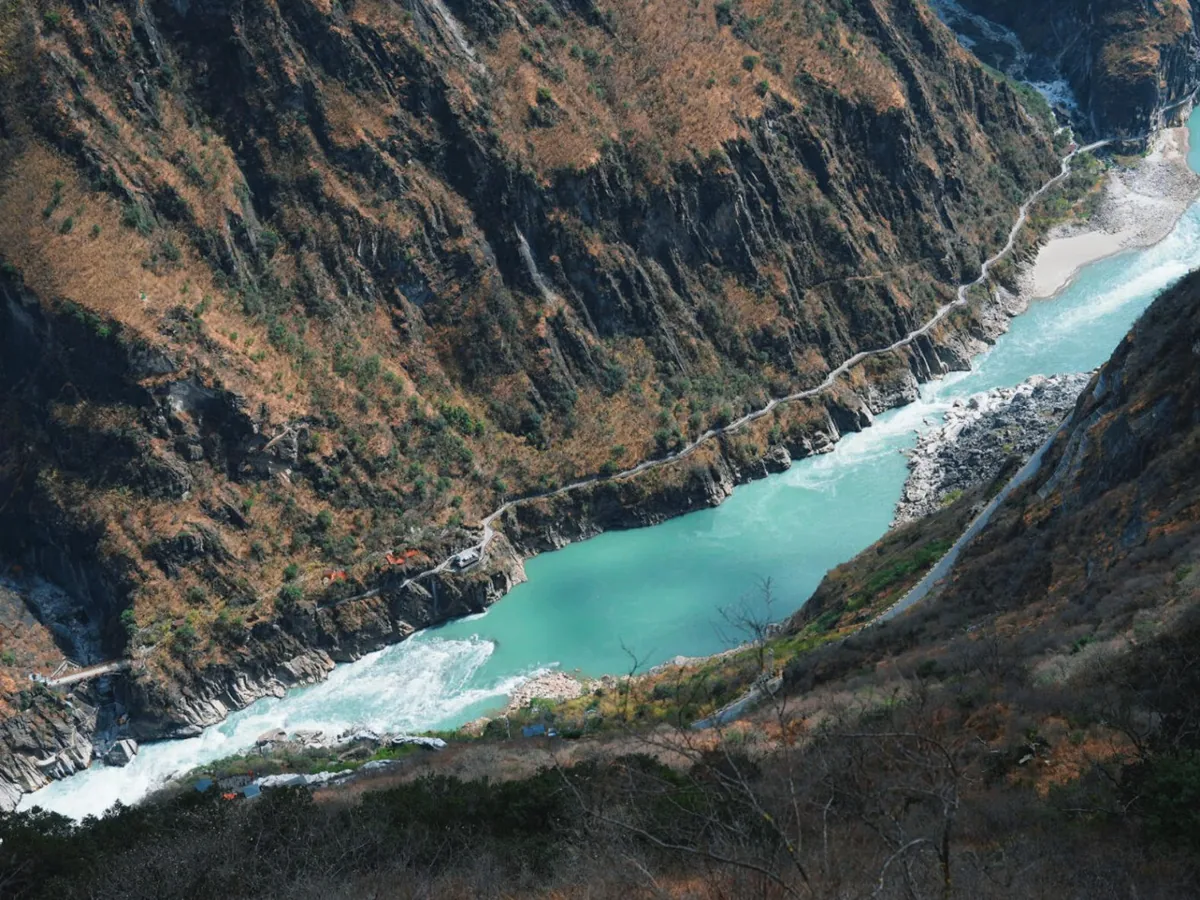
4 days / 3 nights
Tiger Leaping Gorge High Trail
The High Trail above the Yangtze, the 28 Bends, and two nights in Naxi villages under Haba Snow Mountain.
From$760per person
View tour→

5 days / 4 nights · Gongshan → Gongshan · 2–6 hikers
The route
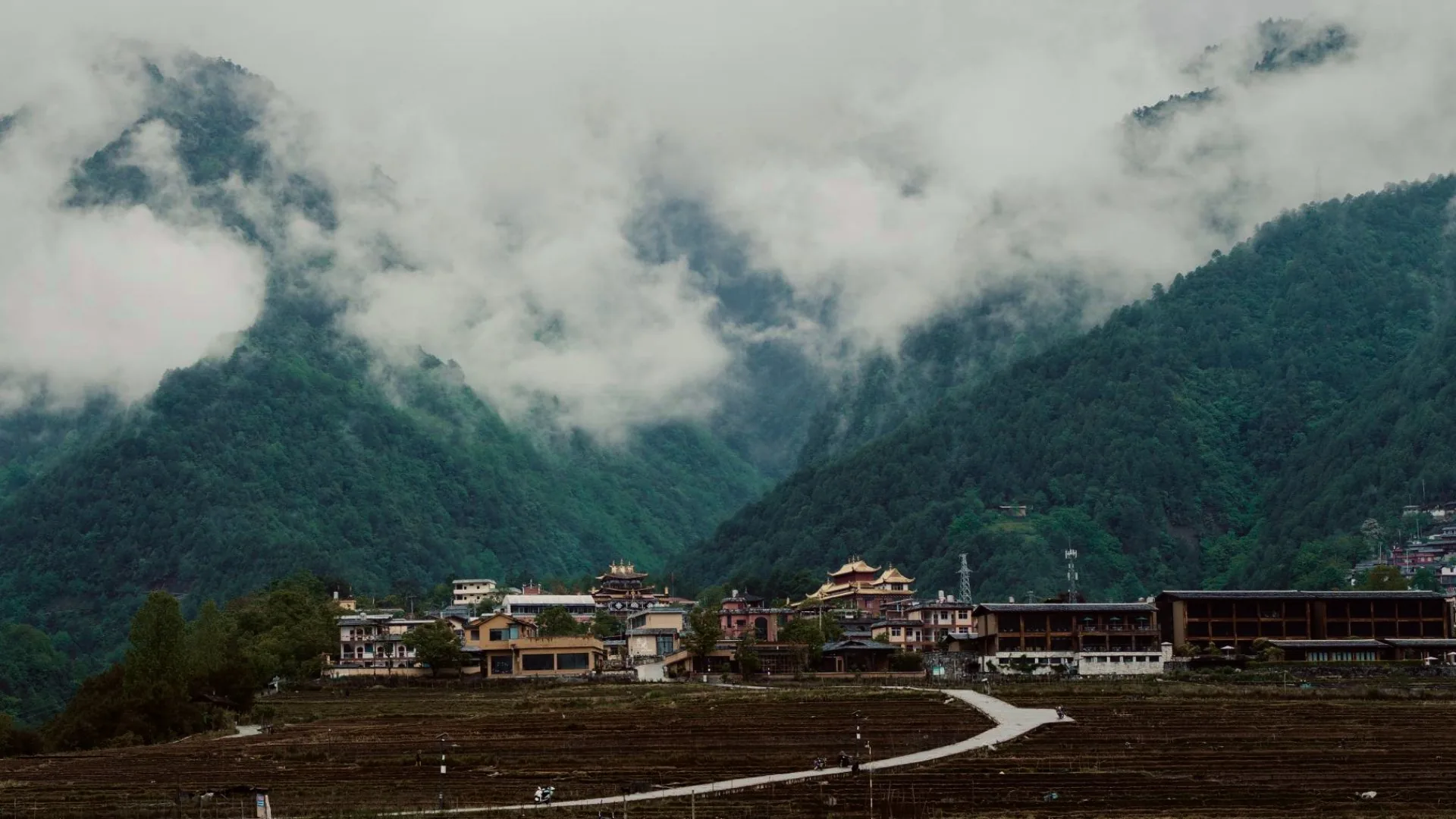
The Nujiang gorge holds one of the last stretches of Tea Horse Road still used by people going about their day — a path cut into the cliff, in places under a metre wide, with the green Nujiang River dropping away below and horseshoe prints still visible in the rock. It leads to Wuli: sixty-odd log houses on terraces, no vehicles, complete farming life.
Day 1
Independent travel to the collection point. International hikers fly into Kunming or Dali and we arrange the road transfer to Gongshan; the meeting point and time are confirmed by email after booking.
Day 2 · 1 km
Meet in Gongshan county town, gear check, and a briefing from the cultural guide on the Nujiang gorge, the history of the Tea Horse Road, log-cabin construction and the mixed Nu–Tibetan–Lisu communities here. Drive one hour north to Bingzhongluo along the Nujiang. Evening viewpoint over the great bend of the river.
Day 3 · 6 km
The core of the trip. Cross the suspension bridge at Chaohong and enter the cliff-carved section — about 1.5 km of path cut into near-vertical rock, under a metre wide at its narrowest, with ancient horseshoe prints in the stone and the Nujiang green below. Then Wuli itself: sixty-plus log houses on terraces, stone-slab roofs, three storeys (animals below, hearth in the middle, grain above), no motorised vehicles at all. Village loop with the cultural guide, visiting a family home and watching a Nu elder hand-weave.
Day 4 · 8 km
North through Stone Gate pass to Qiunatong, a log-house village in its own side valley, then the forest trail into the Naqialuo gorge — the most dramatic section of the Nujiang. Back to Qiunatong in the afternoon to visit a family and hear how Tibetan, Nu and Lisu households live alongside each other. Evening: hearth gathering with Nu songs if the villagers feel like it — never staged, never guaranteed.
Day 5 · 3 km
Early start for the best light on the first bend of the Nujiang, with morning mist in the valley. Short climb on herding paths up Gongdang. Back to Gongshan for lunch, trip ends — you continue to Dali or Kunming.
The road is still in use. This isn't a restored heritage trail. People use it because it's the shortest way between two places, and the horseshoe marks in the rock are from real traffic.
A village with no vehicles. Wuli has no motorised transport of any kind. That is not a reenactment — it's the practical reality of where it sits.
Three religions, one valley. Tibetan Buddhist, Catholic and animist households live within walking distance of each other here, and have for generations. The guide explains how, without turning it into a lecture.
The Nujiang dry season runs October to April — this is when we run it. May to September is the monsoon, and the cliff sections are not safe in sustained rain.
Legend: Best = stable trails and the clearest views · Good = runnable with caveats · Not advised = we don't run it, or only on request after checking conditions.
These are our proposed departure dates for this route. Availability changes daily — we confirm your place in writing before you pay anything. See our booking and refund terms.
Taking the whole trek as a family or a group of friends: from 2 people, on dates that suit you, with the itinerary adjusted to your pace. Same guide, same lodgings, no other hikers added. Prices vary with group size — tell us who's coming and when.
Ask about a private departureWe grade every route on a 1–3 scale for how hard the walking is. This trek is grade 1 — Easy.
EasyWalking days of up to about 12 km on good paths, with gentle or modest climbing. Suits anyone who walks regularly at home.
ModerateConsecutive days of 12–15 km with real climbing — around 500–700 m a day, 5–7 hours on foot. You should be comfortable on your feet most of the day.
ChallengingLong or steep days on mountain trails — up to about 15 km, or 800 m or more of climbing — often back to back. You need a regular exercise habit, not mountaineering experience.
Altitude is listed separately. A gentle day can still reach 4,000 m, so we show it on its own rather than folding it into the grade. On this trek: highest point on foot 2,000 m, highest night 1,750 m (Bingzhongluo). None of our routes involves technical climbing — on some you look up at snow peaks, you don't climb them.
Single-room supplement. Single-room supplement: US$110 per person for the 3 nights in Bingzhongluo.
Joining others or adding people. Yes. Solo hikers and pairs can join a scheduled departure, up to 6 hikers in all, and private departures for your own group run from 2 people. Travelling solo and want a room to yourself? The single-room supplement above applies. This is our most accessible route and works well for families.
On this trail
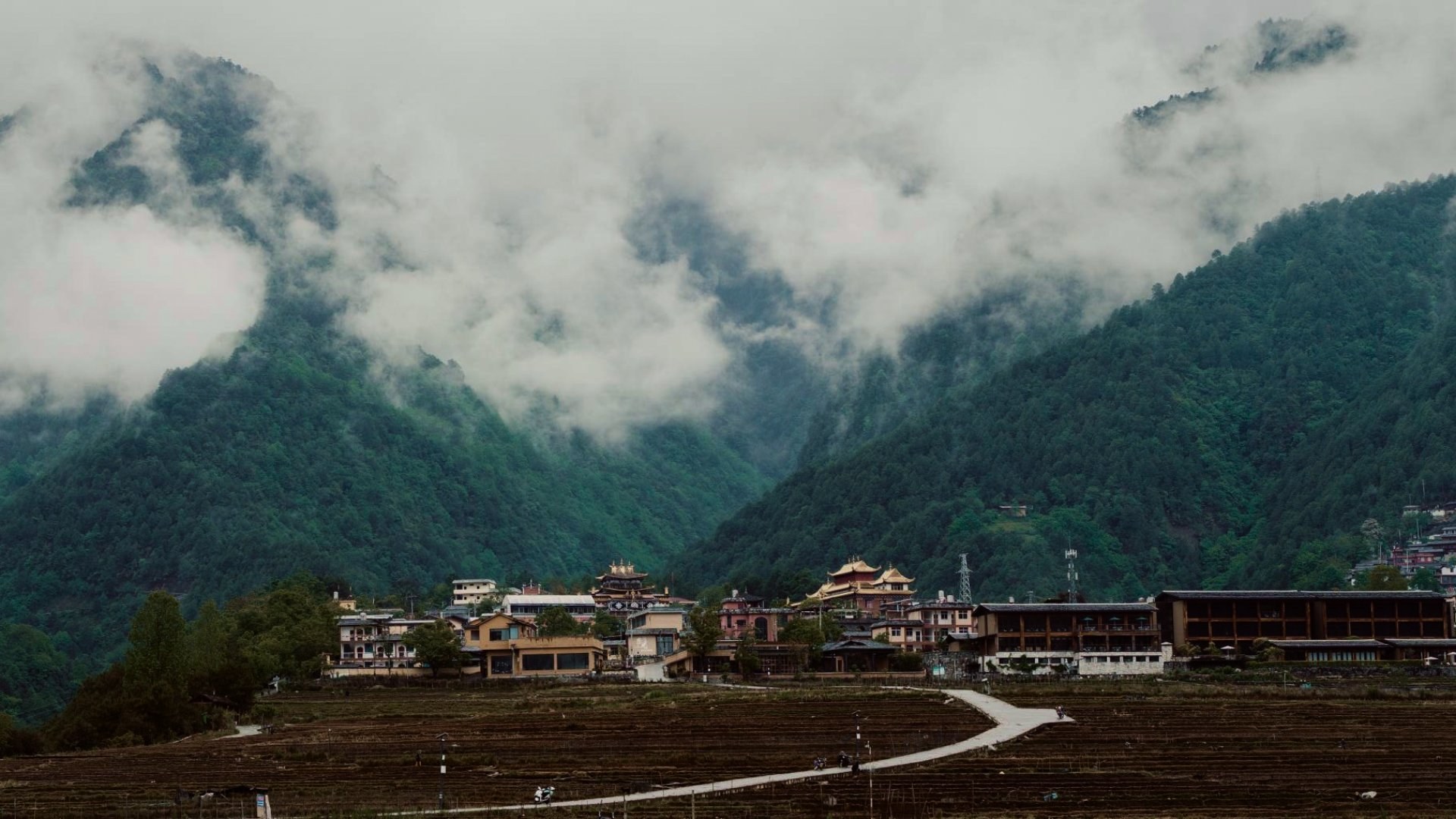
Also worth a look
4 days / 3 nights
The High Trail above the Yangtze, the 28 Bends, and two nights in Naxi villages under Haba Snow Mountain.
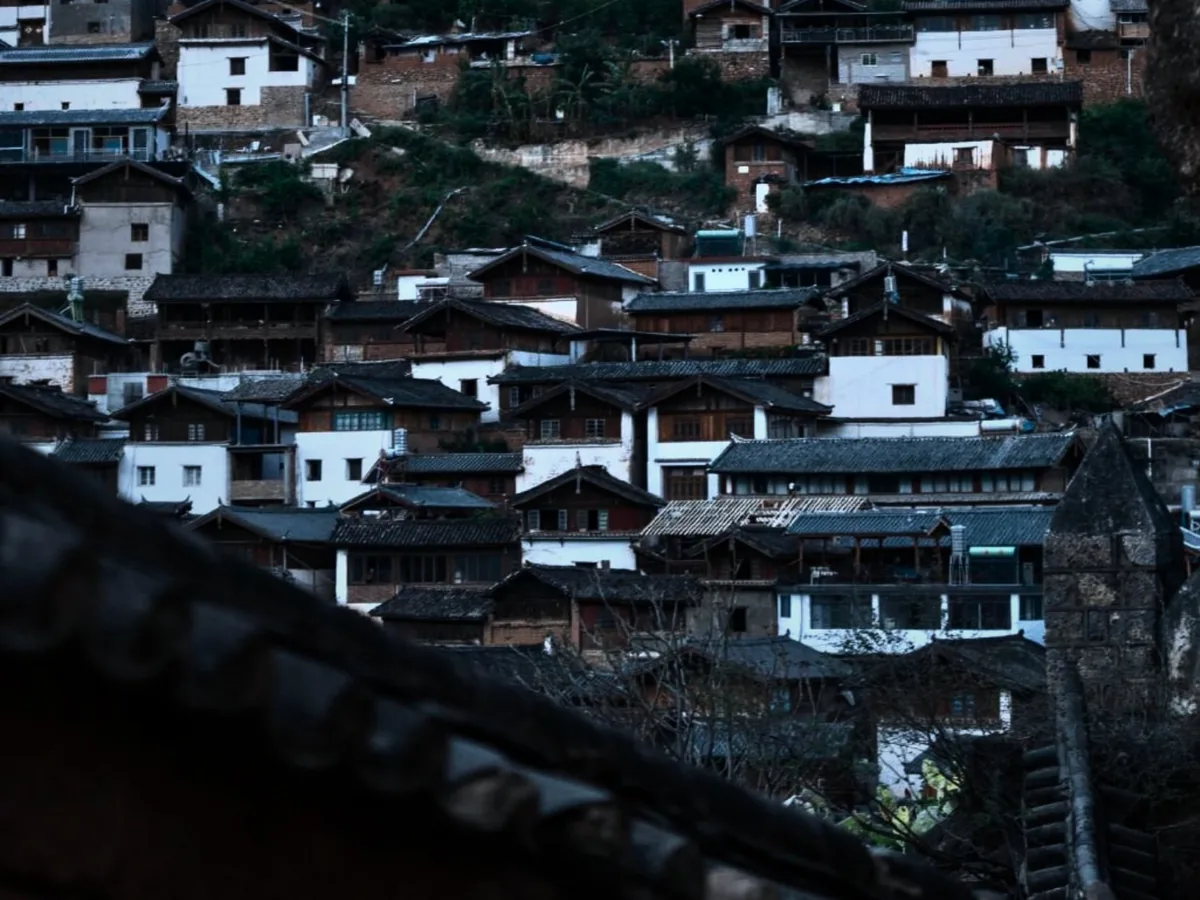
4 days / 3 nights
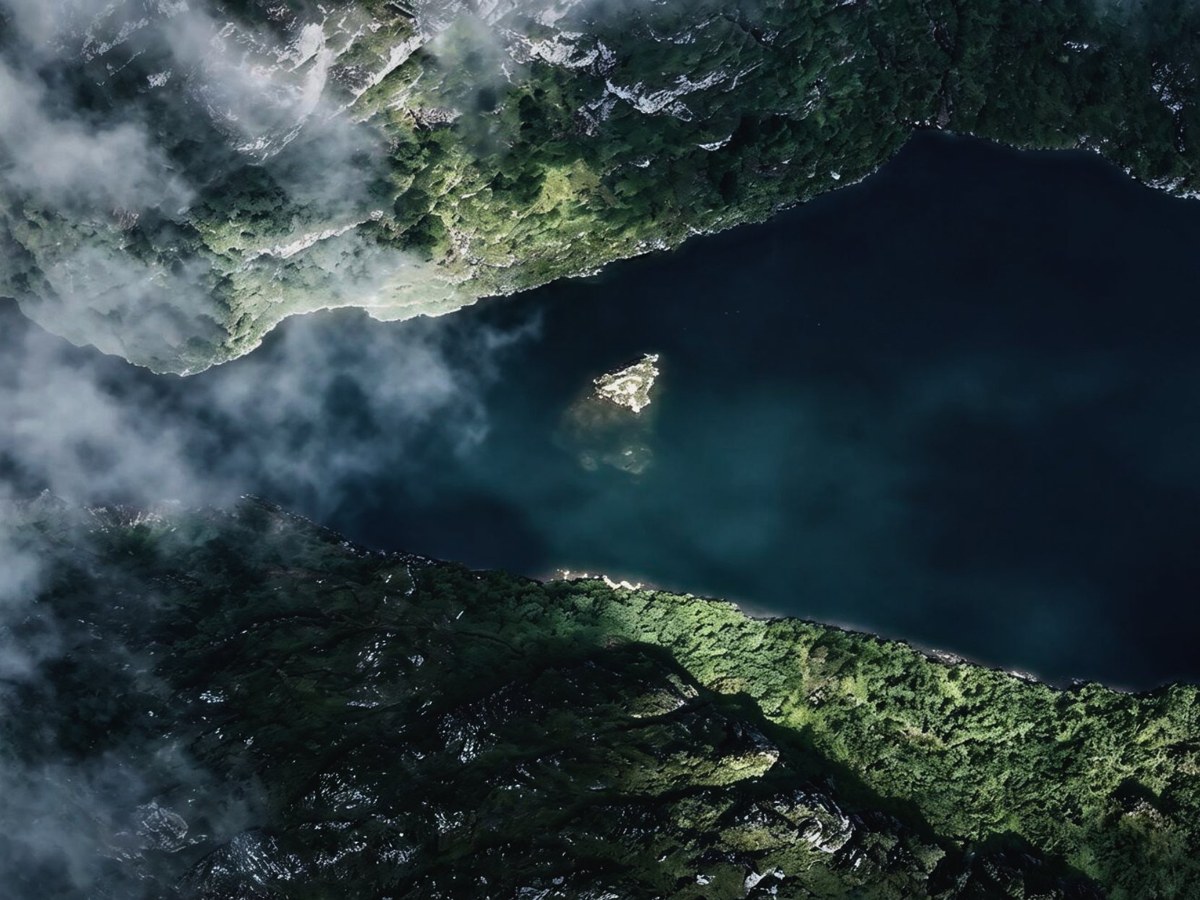
A Naxi village built on a bare rock above the Yangtze, reached through hand-cut tunnels in the cliff.
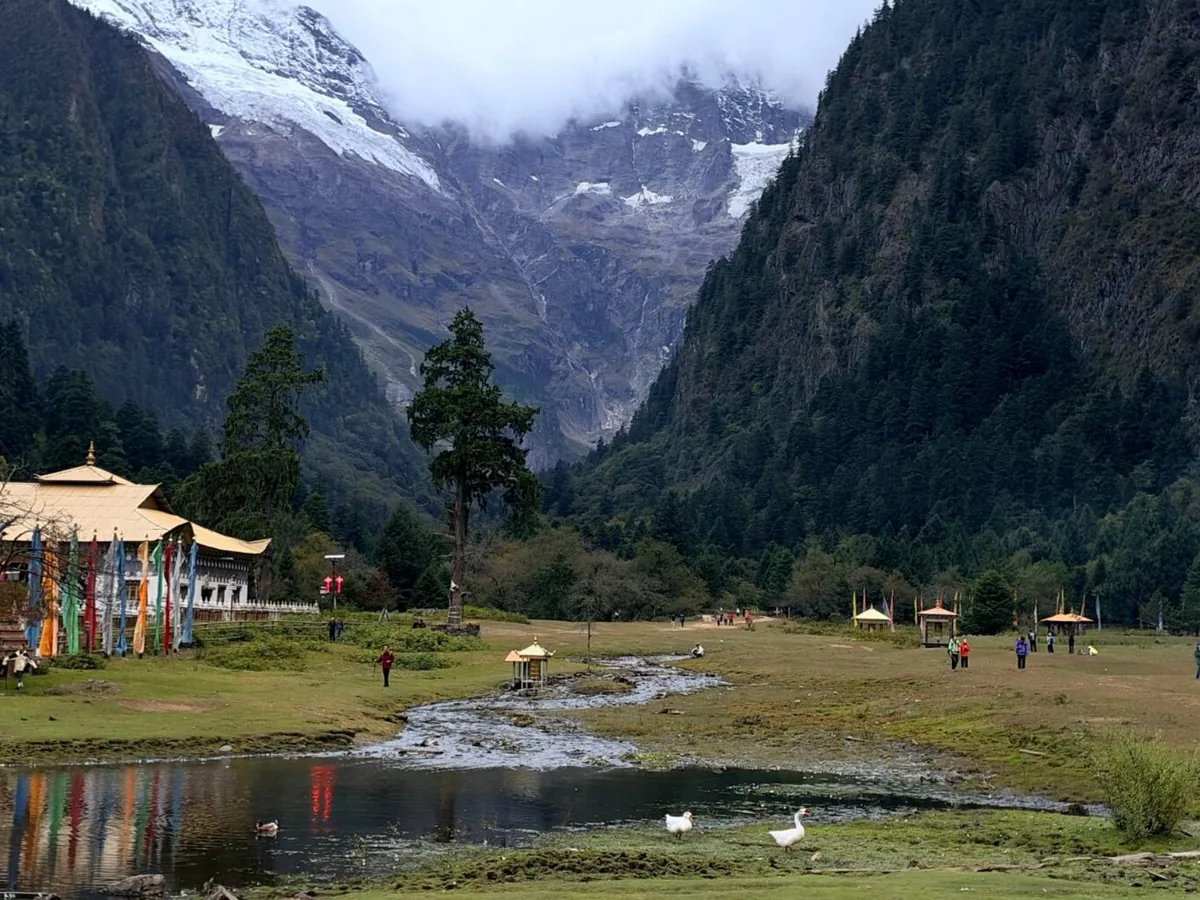
6 days / 5 nights
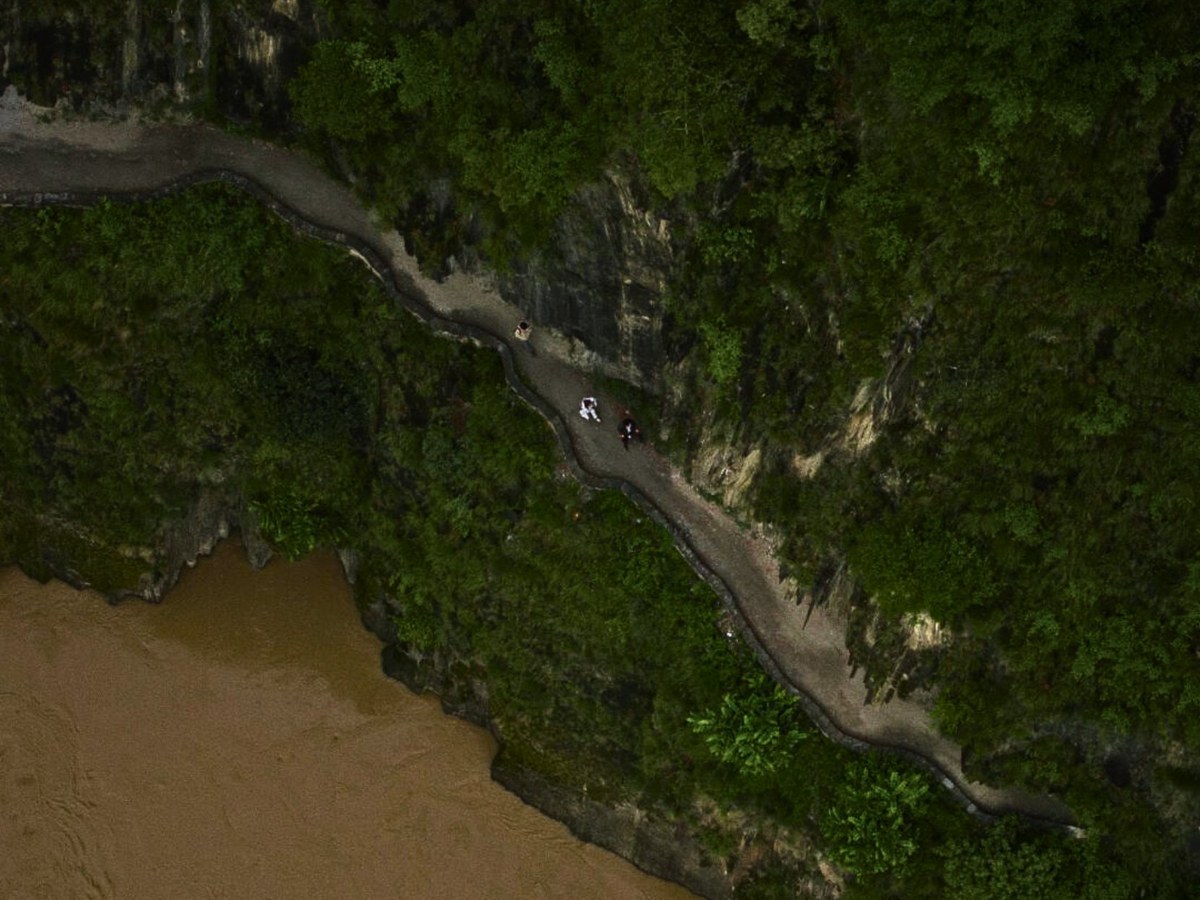
Into the Ninong Gorge and up to a village with no road. Sacred waterfall, glacier lake, sunrise on a 6,000 m wall.