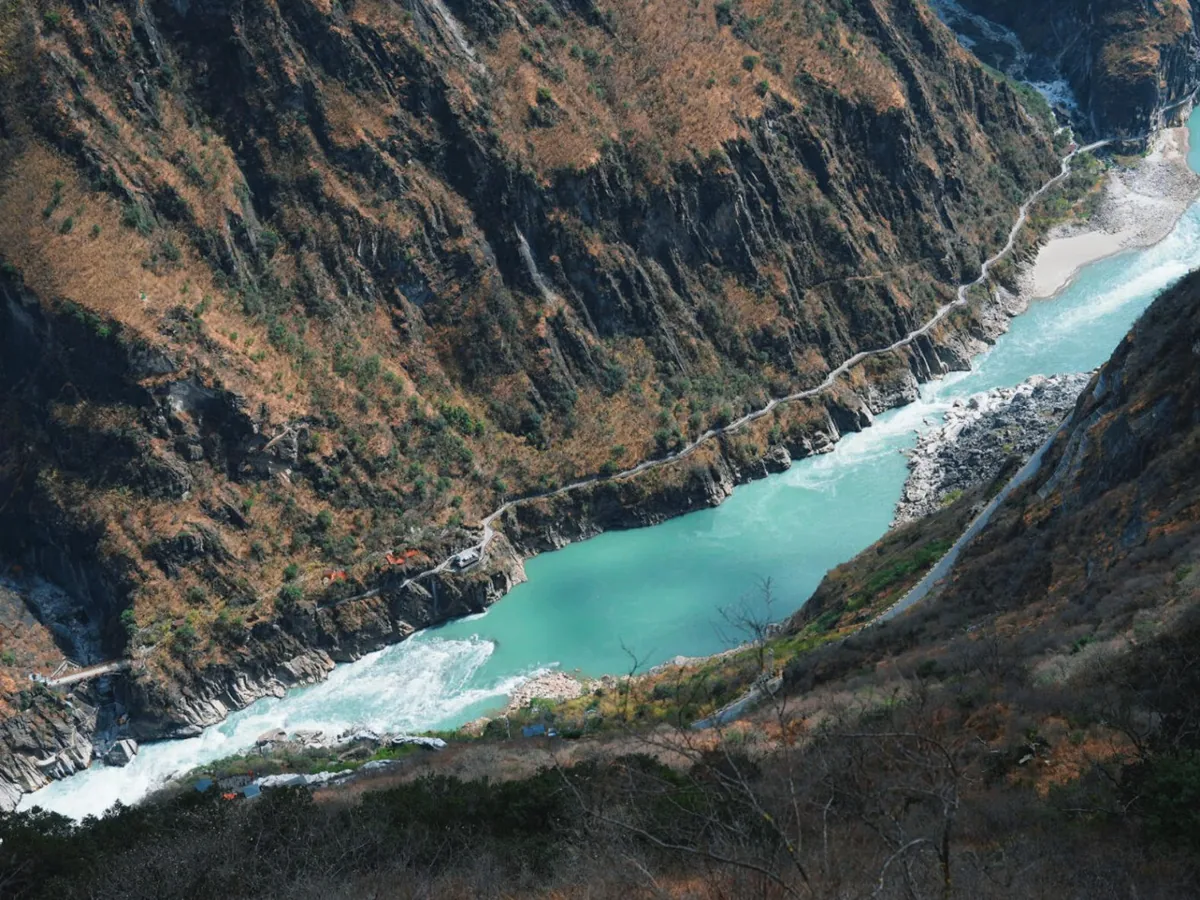
4 days / 3 nights
Tiger Leaping Gorge High Trail
The High Trail above the Yangtze, the 28 Bends, and two nights in Naxi villages under Haba Snow Mountain.
From$760per person
View tour→


6 days / 5 nights · Lijiang → Lijiang · 2–6 hikers
The route
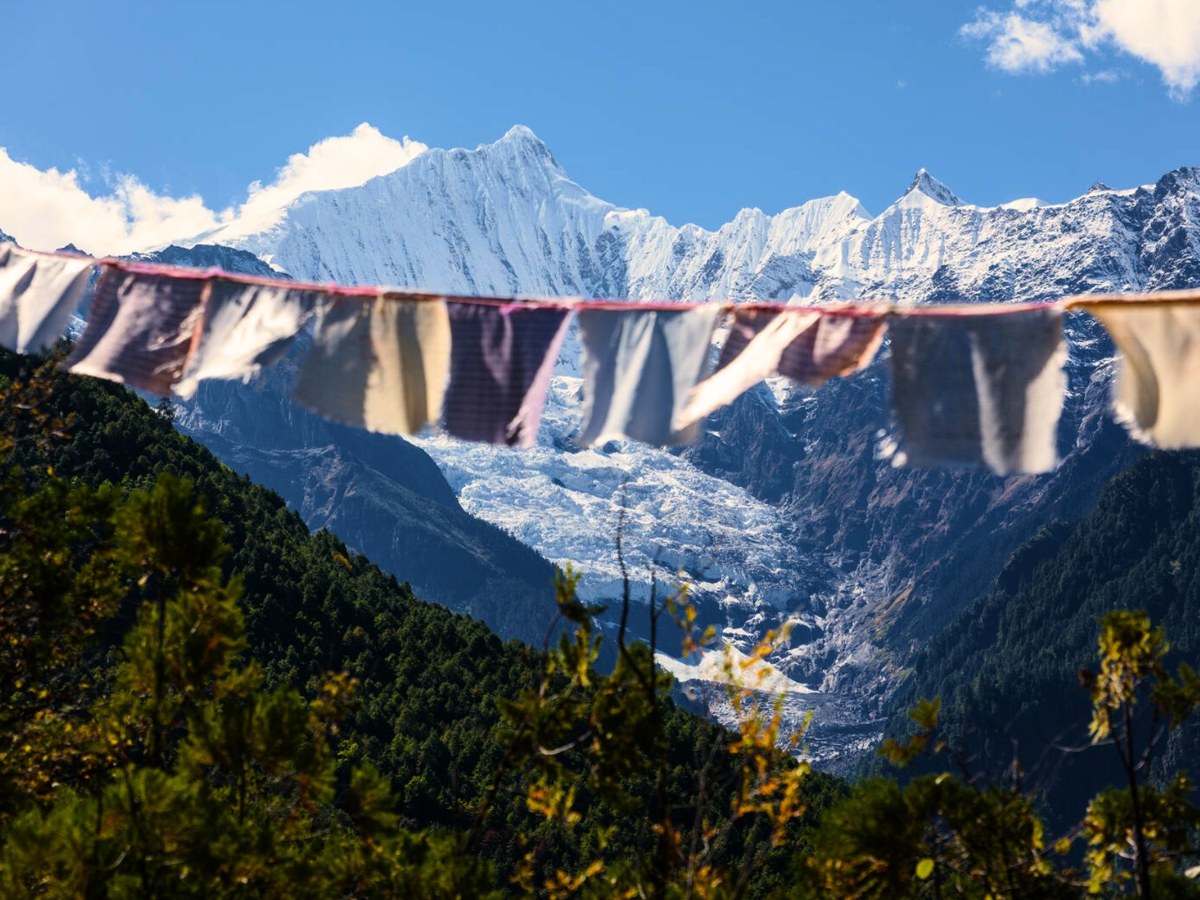
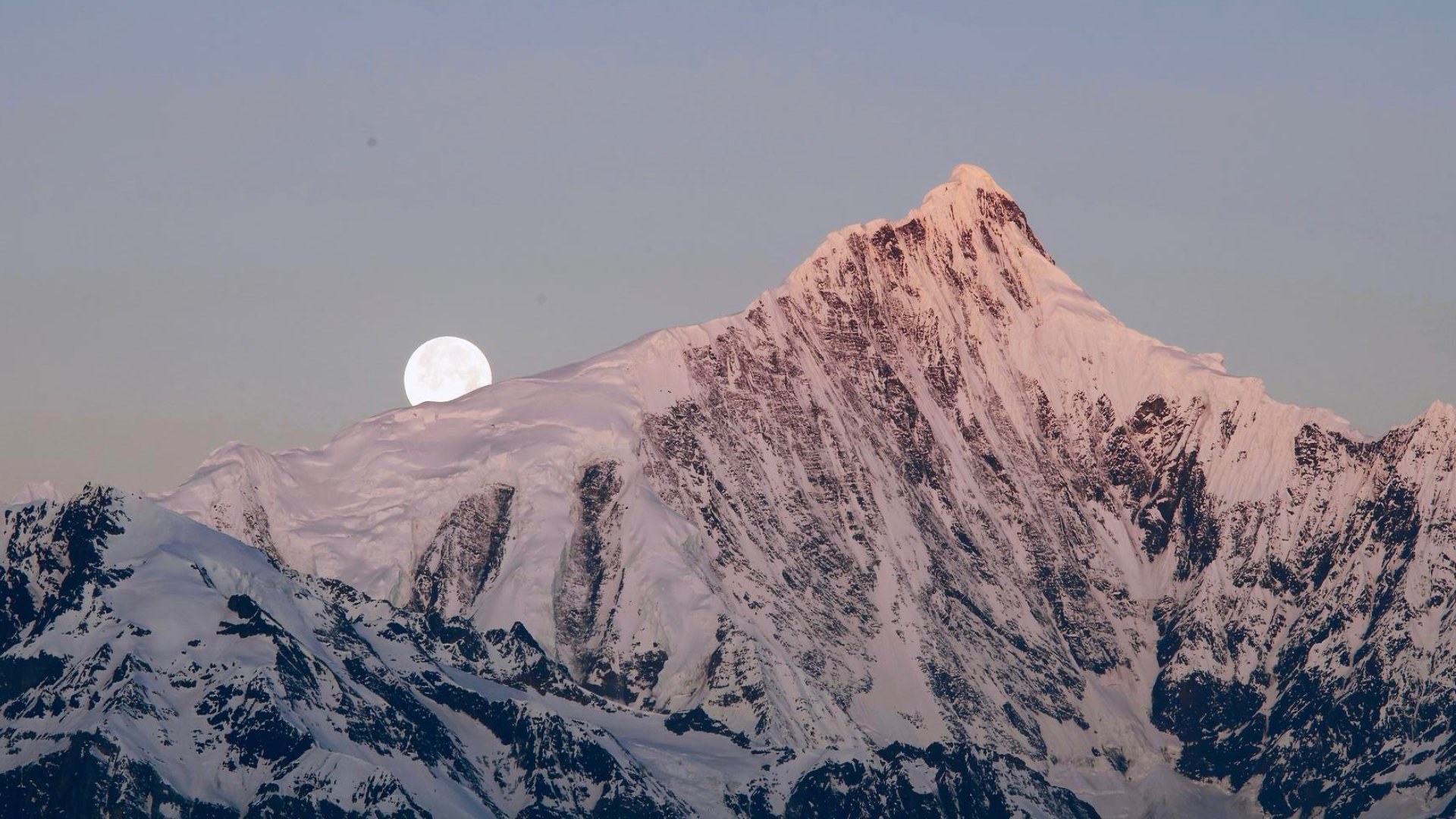
Kawagarbo, the 6,740 m heart of the Meili range, has never been summited, and it is now closed to climbing out of respect for its place in Tibetan belief. This route walks a high section of the pilgrim kora around it — not a summit attempt and not the full circuit, but three days on foot through forest, pasture and ridgeline facing the peak. It is our most remote route, with two nights camping and no road anywhere near the middle of it.
Day 1
Make your own way to Lijiang. The day is free — wander Dayan Old Town, Shuhe or Baisha, and give your body a first night at 2,400 m. Your first night is on us, in a boutique hotel or inn; meals today are your own.
Day 2
Meet in Lijiang Old Town after breakfast for a gear check and a full briefing on altitude, camping and what remoteness means on this route. Then north past Tiger Leaping Gorge and the First Bend of the Yangtze, through Xiaozhongdian, Shangri-La and Benzilan, along the great bend of the Jinsha River and over the Baima Snow Mountain pass to Feilaisi, facing the Meili range.
Day 3 · 5 km
Drive to Rongzhong village (2,200 m), then climb on foot through old-growth forest and along cold streams into the Meili backcountry, to camp at Nanzhu pasture (3,400 m). Short on distance, steep on the legs. Dinner in camp, in the wild.
Day 4 · 5 km
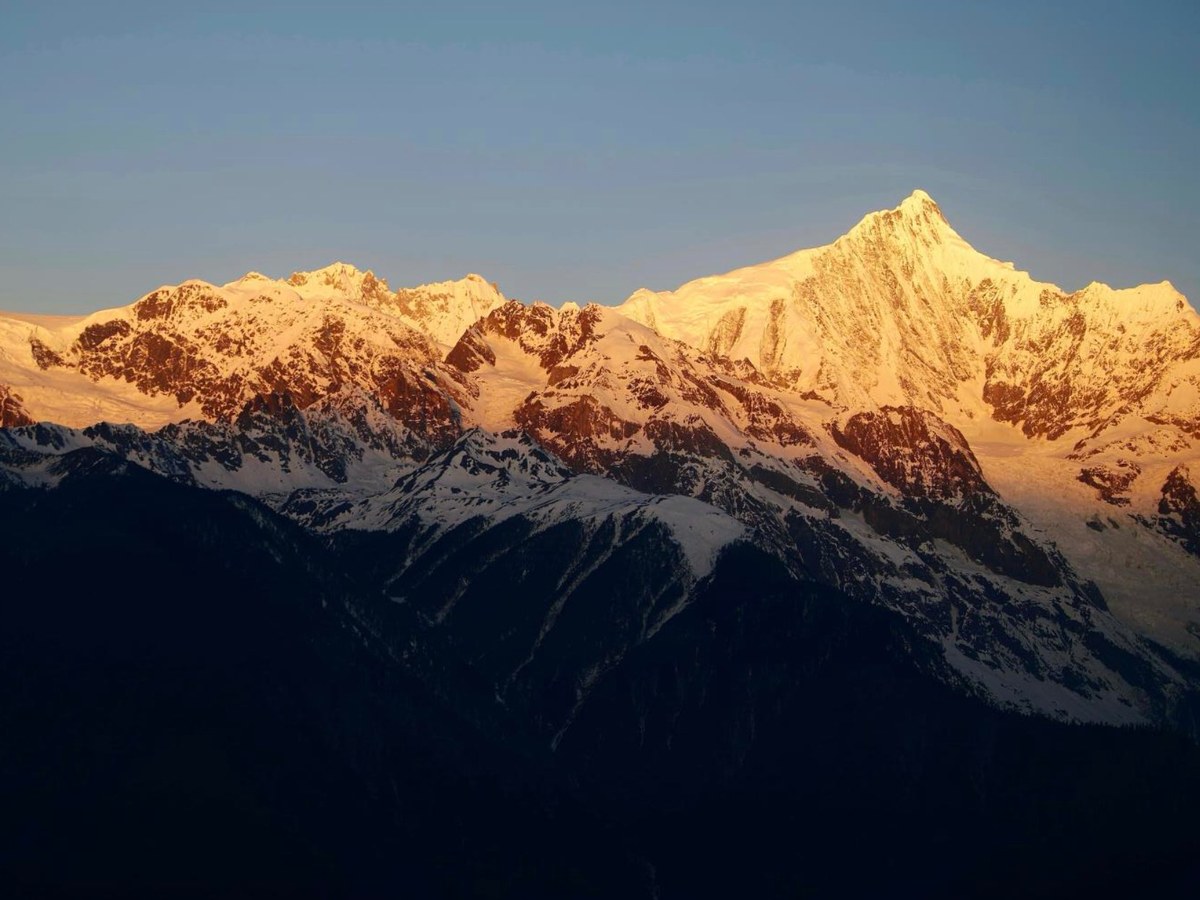
Over the ridgeline, with Kawagarbo and the Mingyong Glacier opening up ahead, then through forest to Benggeding — a high camp at 4,350 m directly facing Kawagarbo. On a clear evening, sunset on the Baima range from camp, and the Milky Way over the snow peaks.
Day 5 · 14 km
Sunrise on Kawagarbo from camp. Then traverse from Benggeding onto the Yubeng caterpillar-fungus trail — named for what herders gather here in spring — for new angles on the glaciers and peaks, and descend all the way back to Rongzhong. Drive to Feilaisi for the night.
Day 6
If the morning is clear, sunrise on Meili from the hotel. After breakfast, the drive south through Shangri-La, arriving in Lijiang around 4–5 pm. Trip ends.
A pilgrimage, not a summit. Kawagarbo is closed to climbing out of respect. Walking part of the kora means engaging with why — a very different experience from ticking off a peak.
Two nights camping under the range. A glamping camp at Nanzhu pasture, then a high camp at 4,350 m facing Kawagarbo — no road noise and no light pollution. This is the part people remember.
Genuinely remote. There is no road to the middle of this route. If something goes wrong, the plan is ours, not a rescue service's — which is why we run it only in the right months and with a strict group limit.
The kora has the narrowest window of our routes — high ridgelines and a 4,000 m+ camp mean snow closes it earlier and opens it later than Yubeng. Realistically late April to June and September to mid-November. We don't run it in winter.
Legend: Best = stable trails and the clearest views · Good = runnable with caveats · Not advised = we don't run it, or only on request after checking conditions.
These are our proposed departure dates for this route. Availability changes daily — we confirm your place in writing before you pay anything. See our booking and refund terms.
Taking the whole trek as a family or a group of friends: from 2 people, on dates that suit you, with the itinerary adjusted to your pace. Same guide, same lodgings, no other hikers added. Prices vary with group size — tell us who's coming and when.
Ask about a private departureWe grade every route on a 1–3 scale for how hard the walking is. This trek is grade 3 — Challenging.
EasyWalking days of up to about 12 km on good paths, with gentle or modest climbing. Suits anyone who walks regularly at home.
ModerateConsecutive days of 12–15 km with real climbing — around 500–700 m a day, 5–7 hours on foot. You should be comfortable on your feet most of the day.
ChallengingLong or steep days on mountain trails — up to about 15 km, or 800 m or more of climbing — often back to back. You need a regular exercise habit, not mountaineering experience.
Altitude is listed separately. A gentle day can still reach 4,000 m, so we show it on its own rather than folding it into the grade. On this trek: highest point on foot 4,500 m, highest night 4,350 m (Benggeding camp). None of our routes involves technical climbing — on some you look up at snow peaks, you don't climb them.
Single-room supplement. Single-room supplement applies only to the three hotel nights: US$70 per person. During the two camping nights, single tents can be arranged for US$60 extra if you prefer not to share — tell us when you book.
Joining others or adding people. Yes. Solo hikers and pairs can join a scheduled departure, up to 6 hikers in all, and private departures for your own group run from 2 people. Travelling solo and want a room to yourself? The single-room supplement above applies. Because of the altitude we ask every hiker for a short fitness and altitude-history note before confirming, and we will tell you honestly if we think the route is wrong for you.
On this trail
Also worth a look
4 days / 3 nights
The High Trail above the Yangtze, the 28 Bends, and two nights in Naxi villages under Haba Snow Mountain.
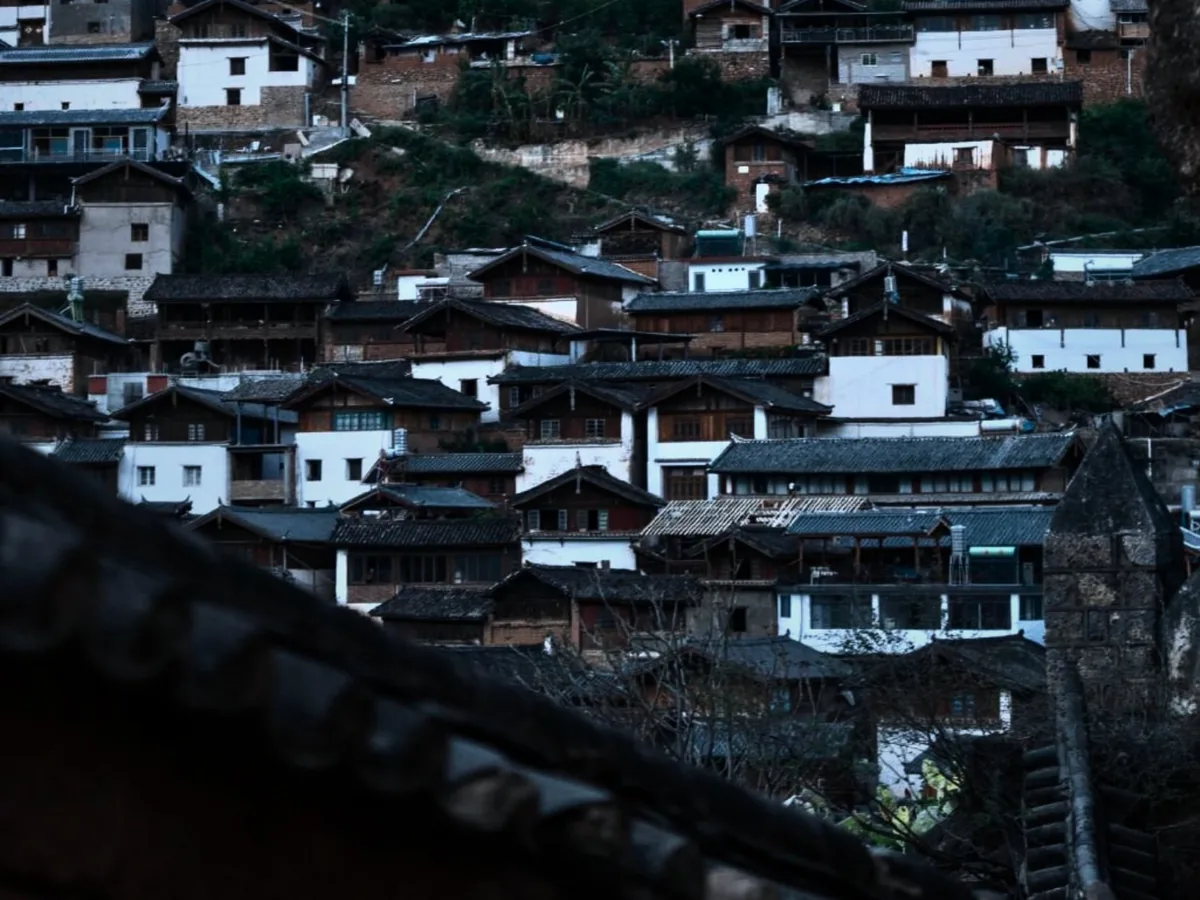
4 days / 3 nights
A Naxi village built on a bare rock above the Yangtze, reached through hand-cut tunnels in the cliff.
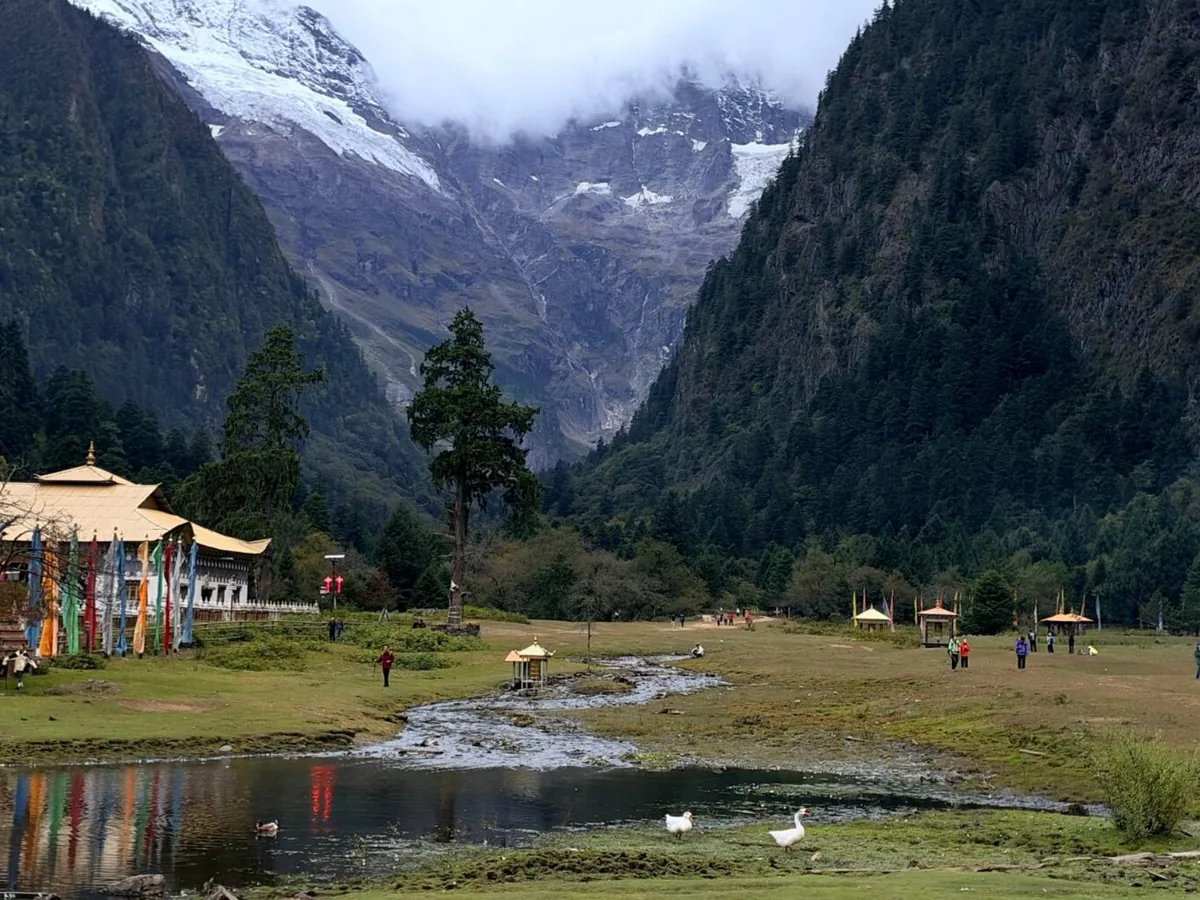
6 days / 5 nights
Into the Ninong Gorge and up to a village with no road. Sacred waterfall, glacier lake, sunrise on a 6,000 m wall.