Begin with the village and its setting
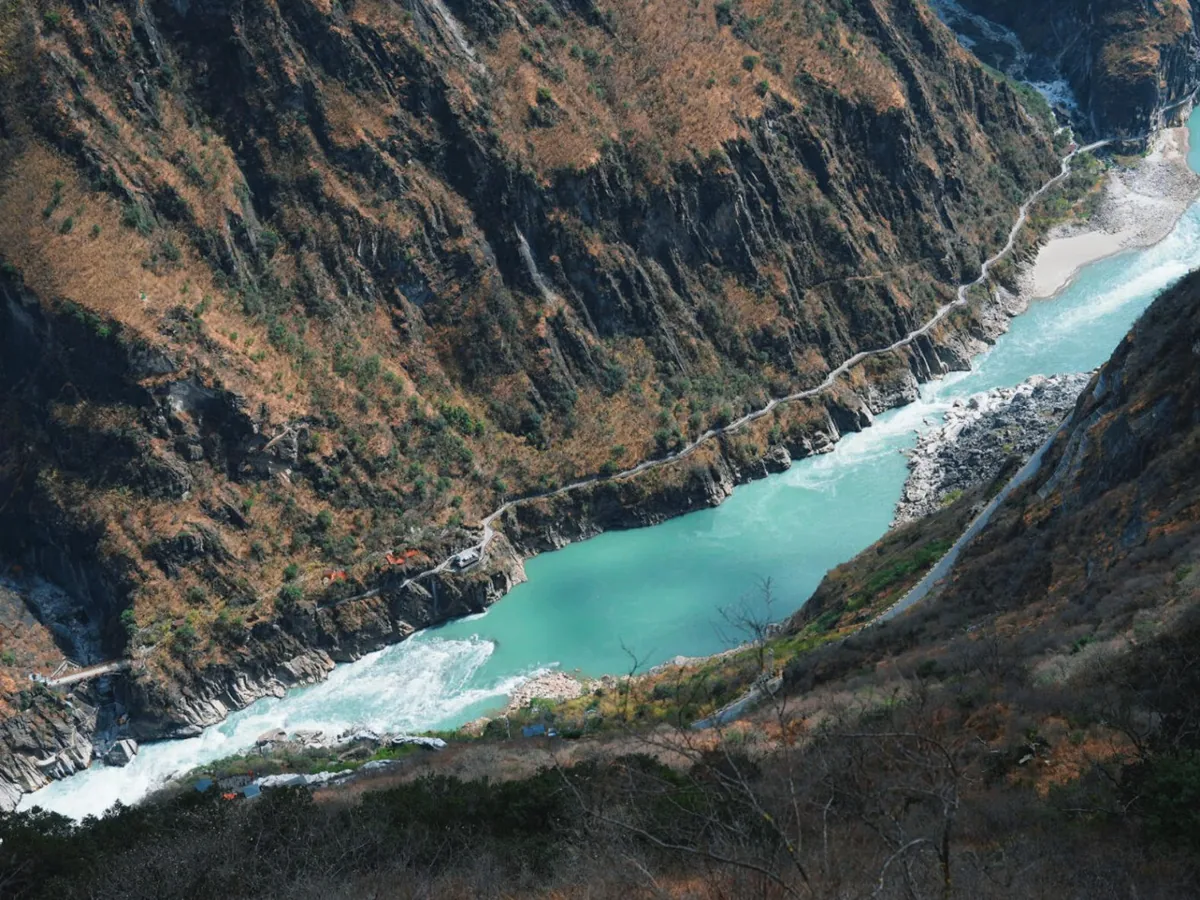
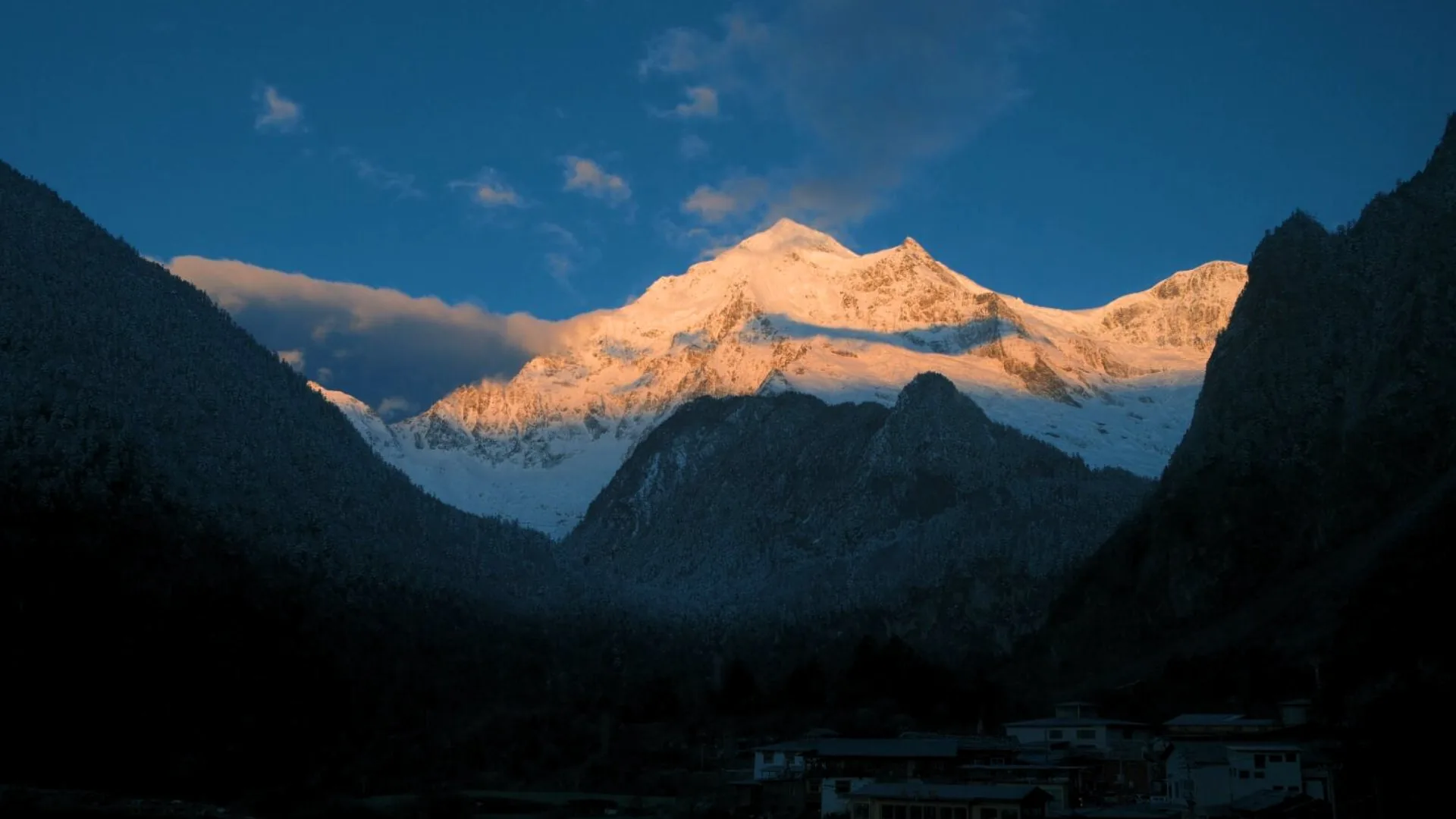
Diqing’s account of Xidang and Yubeng describes a Tibetan village below the Meili peaks, with tourism developing around local mountain routes and village services. Its published examples include lake walks and routes linked to pastoral life. This is a place to stay and walk from, rather than one single trail with a universally fixed length. [1]
That distinction helps when comparing trip descriptions. Two itineraries can both be called a Yubeng trek while using different approaches, overnight stops and walking days. Put the day-by-day plans side by side before comparing only their price or headline duration.
Give each walking day its own decision
China Hike’s six-day itinerary combines arrival and travel with the Ninong approach, a Sacred Waterfall day, a Glacier Lake day and the return. The published total is 56 km, with a walking high point of 3,900 m. These are product-specific figures. [2]
The waterfall and lake should be considered separately. Ask how long each day is, how much it climbs, where you sleep and what the alternative is if conditions change. A spare afternoon does not necessarily provide enough time to add another mountain destination.
Confirm access, rather than repeating an old slogan
Deqin County’s October 2026 visitor-service report refers to both Ninong and Xidang ticketing points, alongside safety and service checks. It does not provide a permanent guarantee of every route’s opening, transport timetable or fare.
For your own trip, ask which entry and exit are planned, what transport is included, where walking starts and whether any local notice affects the route. Do not use an older blog’s description of a “roadless village” as a transport plan. Obtain a dated confirmation for the journey you are actually booking.
Read the overnights as carefully as the walks
A mountain itinerary includes sleep, meals and recovery as well as trail distance. Check whether you stay in one village base or change accommodation, which room arrangements are available and how luggage moves. Know which nights and meals the quotation covers.
Altitude also deserves a separate decision from walking fitness. Read the published overnight heights and walking profile. If you have medical concerns, discuss suitability with a qualified clinician before booking; this planning article cannot establish medical readiness.
Keep the return realistic
Ask for the expected return time and the operating plan if the final walk or road transfer takes longer. Leave an appropriate buffer before onward travel, rather than treating an estimated finish as a guaranteed flight connection.
If six days or repeated mountain walking do not fit your plans, use our Tiger Leaping Gorge and Yubeng comparison to understand the difference. If Yubeng is the priority, tell us which parts matter most so we can discuss an itinerary around them.
Sources & further reading
Historical and cultural context draws on the Chinese-language sources below, reviewed on 4 November 2026. Planning advice is written for China Hike readers; product distances refer to our linked itineraries. Confirm current access, opening arrangements and services for your dates.
Your next step
Turn a good read into a walk.
Tell us your dates, your usual walking pace and the places you want to understand better.
Talk through your plans