Read the path as a working connection
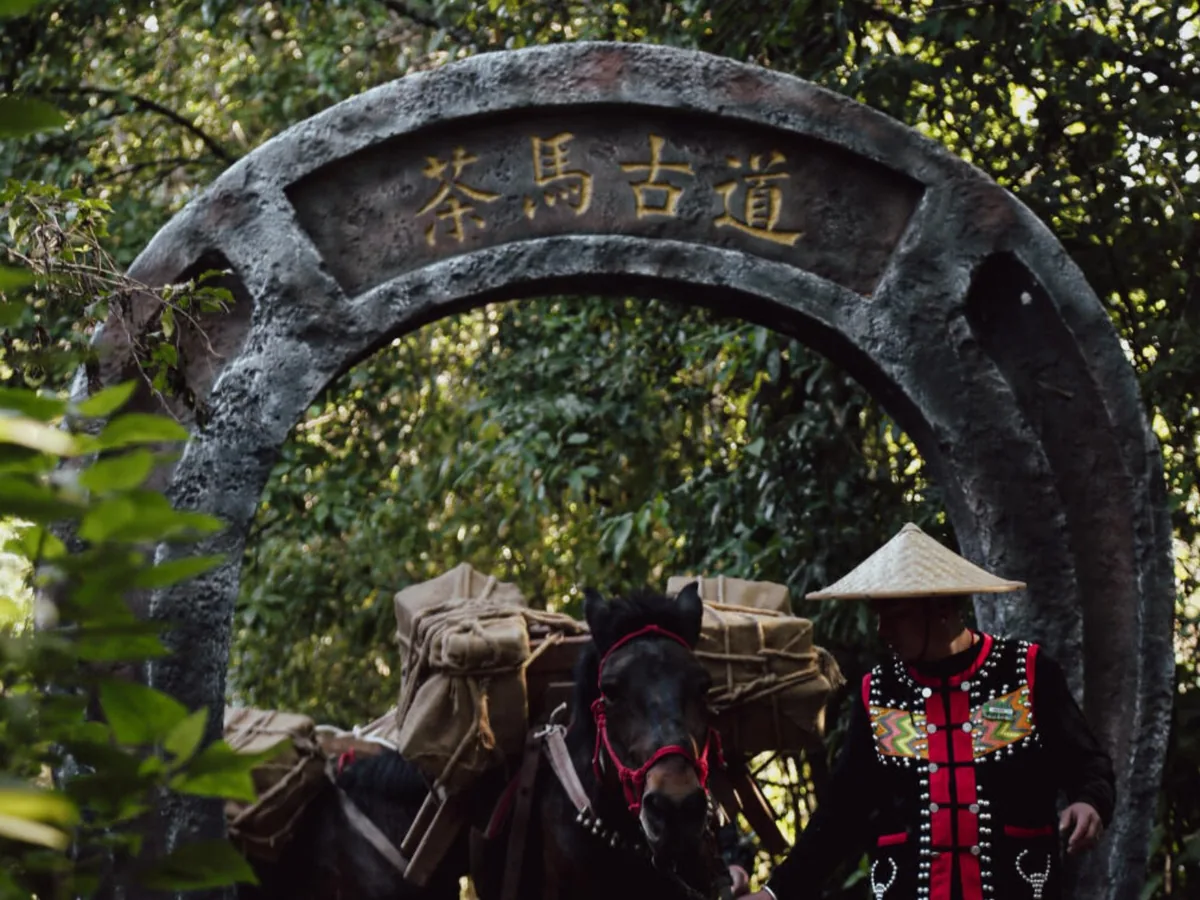
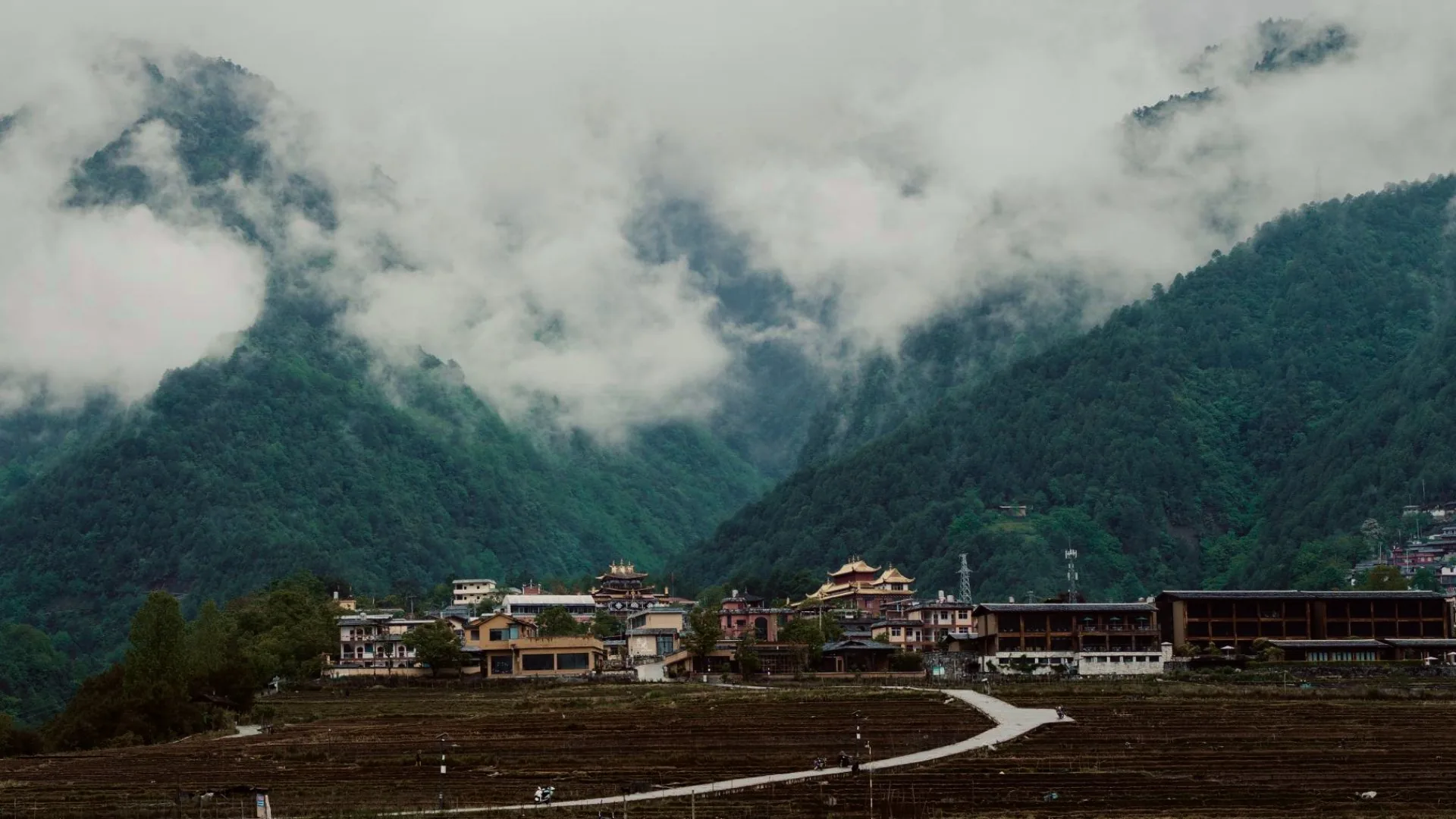
A Nujiang media account published by Yunnan describes an old caravan path cut into the cliffs above the river, leading towards Wuli. It places the approach within the Bingzhongluo area and notes the contrast between the narrow path and the village reached beyond it. [1]
The interest is not simply that the road is old. Think about what a practical connection means when people, supplies and a river valley have to share a steep landscape. Looking at the settlement and the approach together gives the walk a stronger sense of place.
Village life is part of the story
A separate Yunnan report describes Wuli’s traditional Nu wooden houses, farmland and households serving visitors. Its picture is of a community taking part in tourism, not an abandoned historic set. Those details are useful context, rather than promises that a particular household, meal or demonstration will be available when you arrive. [2]
Keep visits considerate. Ask before photographing people or entering a yard. A field, footpath or domestic doorway still has an everyday purpose even when it makes a striking photograph.
Distance alone does not describe the walking
A short route can include exposed ground, uneven footing and sections where you need to concentrate. Before joining, ask about the precise path, any narrow sections and available alternatives. Discuss discomfort with heights before the day starts.
Do not use an article as a live route-opening notice. Rain, maintenance or local management can change the plan. The decision on the day should follow the permitted route and current local conditions, rather than a desire to reproduce an online photograph.
Fit the walk into a valley itinerary
China Hike’s five-day Nujiang itinerary combines Wuli and Qiunatong with other valley walks. Its published walking total is 18 km. That describes several itinerary days, not the length of the cliff path on its own.
Confirm the collection town, arrival time, included road transfers and final drop-off before booking travel. The wider journey may determine how many days you need just as much as the walking. Ask for the meeting details in writing.
Wuli or Shaxi? Compare the landscape, too
If you are interested in the Tea Horse Road, there is more than one way to explore it. Shaxi puts a historic market town and surrounding caravan paths at the centre of the trip. Wuli puts the river corridor and a village connection more directly into view.
Choose by the whole experience: the setting, terrain, travel time and time available to listen and look. Tell us whether you prefer village-based walking, a gorge landscape or a combination, and we can compare the relevant itineraries.
Sources & further reading
Historical and cultural context draws on the Chinese-language sources below, reviewed on 4 November 2026. Planning advice is written for China Hike readers; product distances refer to our linked itineraries. Confirm current access, opening arrangements and services for your dates.
Your next step
Turn a good read into a walk.
Tell us your dates, your usual walking pace and the places you want to understand better.
Talk through your plans