A town built around exchange
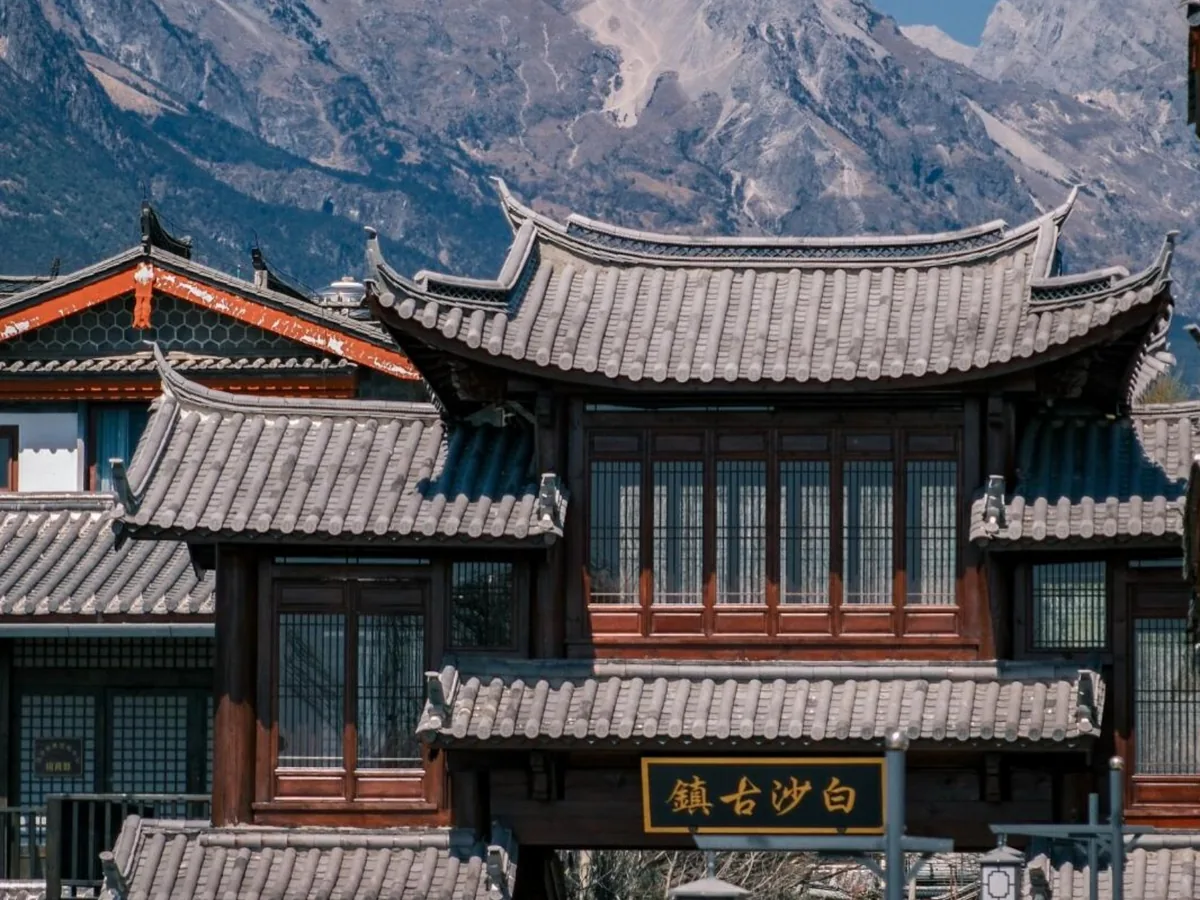
Sideng is the historic market centre of Shaxi. Jianchuan County’s account identifies its temple, theatre, former caravan inns and continuing market function as central parts of the town’s character. Seen together, these buildings explain more than a list of isolated sights: travellers needed somewhere to trade, rest and gather. [1]
Start your visit by understanding that relationship. Ask what a building was used for, which routes met here and what the square still means to residents. A short conversation with a guide can make a modest doorway more interesting than another photograph of a recognisable landmark.
Follow the town out towards its surroundings
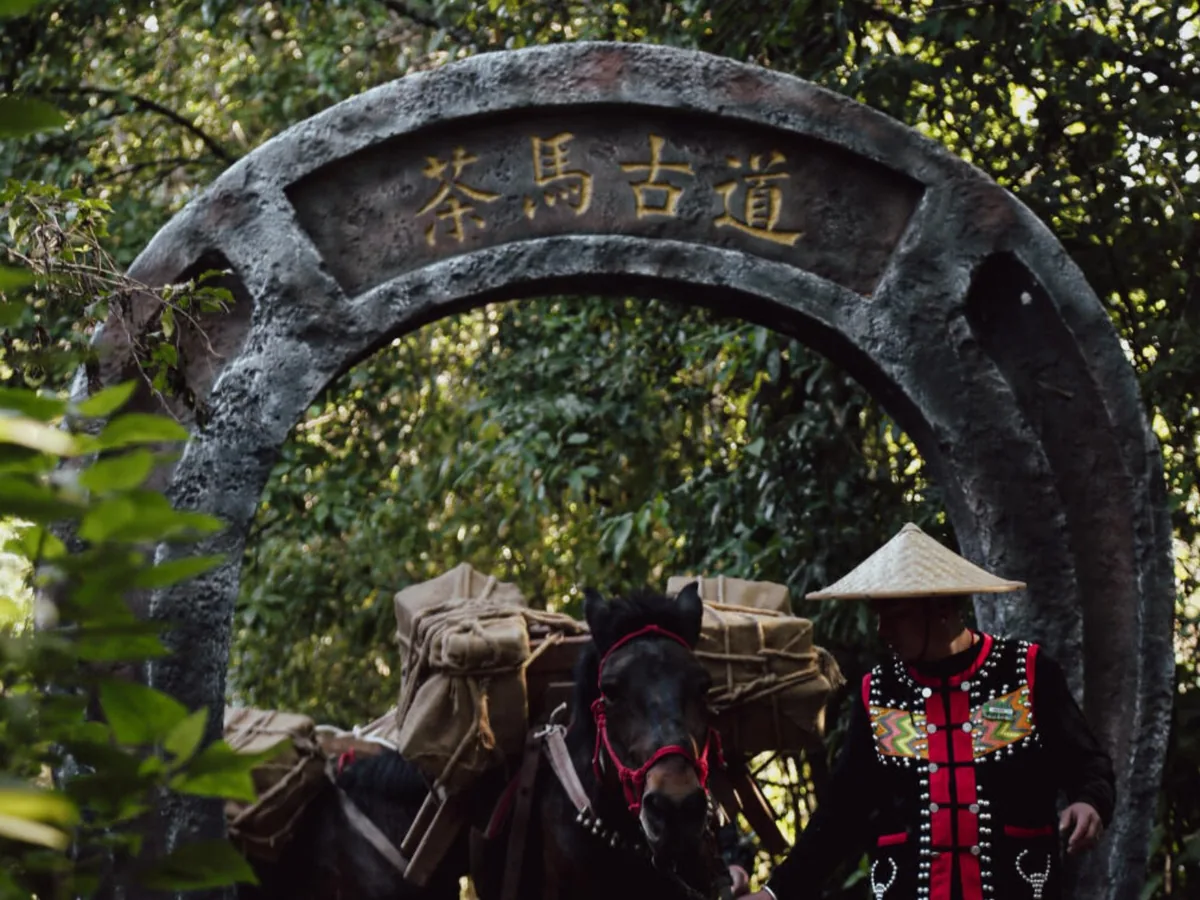
Yunnan cultural reporting describes Yujin Bridge over the Heihui River as a link in the caravan network between Dali and Tibetan areas. It also connects Sideng’s gates, courtyards and craft traditions to the wider history of trade. The bridge is a useful place to think about the town as part of a landscape, rather than an attraction contained by its main square. [2]
For planning, keep a town walk and a longer trail day separate. They have different rhythms. The first leaves room for buildings, conversations and pauses; the second needs a clear start point, an agreed route and enough time to return without rushing.
What a multi-day walking stay adds
China Hike’s five-day Shaxi itinerary has three principal walking days within 39 km of published walking. It brings caravan paths, Bai villages and the Shibaoshan area into one trip. These figures describe our itinerary, not a mandatory distance for everyone visiting Shaxi.
If you only have time for the old town, enjoy it on its own terms. If the paths are the reason for your visit, set aside days for them. Adding more kilometres to a town afternoon is rarely a substitute for a properly planned walking day.
Look carefully, visit considerately
Courtyards, workshops and temples have their own rules of access. Ask before entering a home or photographing people, and follow instructions inside religious buildings. An open gate is not an invitation to explore a private courtyard.
Craft demonstrations can add depth when you understand the maker and the use of the object. Ask what is traditional, what has been adapted for visitors and whether a purchase supports the person showing it to you. A cultural stop works best as an exchange, with time to listen.
Build the day around one clear priority
Tell us whether architecture, village life, old roads or the Shibaoshan landscape matters most to you. We can then discuss which walk fits the available time and your usual pace. Check current opening arrangements before building a day around a particular interior or workshop.
For a first Yunnan walking trip, compare Shaxi with Baisha’s Naxi heritage and the other routes in our eight-route guide. The best choice depends on the kind of day you want, as well as the place name.
Sources & further reading
Historical and cultural context draws on the Chinese-language sources below, reviewed on 4 November 2026. Planning advice is written for China Hike readers; product distances refer to our linked itineraries. Confirm current access, opening arrangements and services for your dates.
Your next step
Turn a good read into a walk.
Tell us your dates, your usual walking pace and the places you want to understand better.
Talk through your plans