
Why the murals deserve a slower visit
Yunnan’s Ethnic and Religious Affairs Commission describes the Baisha murals as works shaped by several ethnic and artistic traditions, including Naxi, Tibetan, Bai and Han influences. Its account also discusses religious themes appearing together within the paintings. [1]
For a visitor, the useful starting point is to look for relationships rather than demand one label for every image. Ask a knowledgeable guide how a composition is organised, which details belong to different traditions and how the building affected the way a painting was seen.
Distinguish the original work from its interpretation
June 2026 reporting describes renewed heritage displays and digital interpretation at the Baisha mural site, including Wenchang Palace. It provides context for the changing visitor experience, rather than a complete current list of rooms open to the public. [2]
Check what your admission or guided visit includes. Original wall paintings, reproductions and digital displays can each help explain the subject, but they are different experiences. Ask which you will see rather than assuming every photograph online shows the same room.
Visit the village as well as the monument
Allow some unhurried time around the heritage visit. Looking at street layouts, courtyards and the relationship between the settlement and its mountain backdrop can make the mural stop feel connected to a place, rather than detached from it.
Follow photography and access instructions inside heritage buildings. Keep clear of painted surfaces and conservation barriers. Ask before photographing residents or entering private spaces; everyday life should not become a backdrop taken without permission.
A cultural stop and a highland walk are different outings
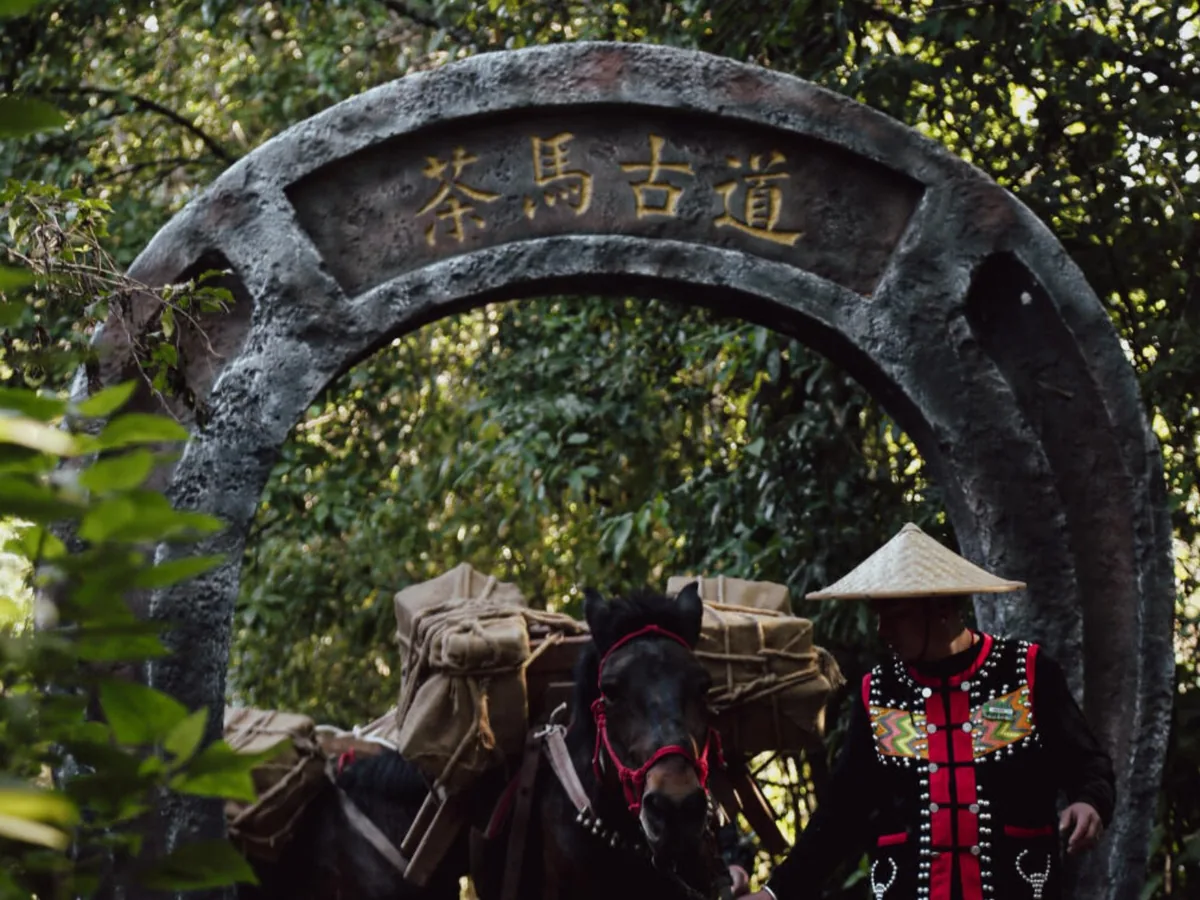
China Hike’s three-day Baisha and Jade Dragon itinerary combines cultural time with a caravan crossing towards Wen Lake. Its published walking total is 12 km, and its high point reaches 3,100 m.
Those walking figures describe our itinerary, not a visit to the murals alone. If you want mostly art, architecture and village time, say so. If a longer mountain day is important, ask about the daily profile and accommodation as well as the cultural stops.
Plan around attention, not a checklist
Decide whether the murals are a central interest or a short introduction. A focused visit with a few well-explained details can be more useful than moving quickly through a long list of buildings.
Before booking, confirm opening arrangements, the language of interpretation and any access restrictions. For a wider cultural walking trip, compare Shaxi; for a shorter stay near Lijiang, ask which parts of the Baisha itinerary fit the time you have.
Sources & further reading
Historical and cultural context draws on the Chinese-language sources below, reviewed on 4 November 2026. Planning advice is written for China Hike readers; product distances refer to our linked itineraries. Confirm current access, opening arrangements and services for your dates.
Your next step
Turn a good read into a walk.
Tell us your dates, your usual walking pace and the places you want to understand better.
Talk through your plans